
The magic of Irish dance isn't just in the performance. It's in the hundreds of little moments that make the performance possible.
There's something magical about watching an Irish dancer take the stage. The music begins, feet fly, rhythms ring out, and what looks effortless unfolds before the audience. But here's something we know at Living Skies Irish Dance: effortless doesn't mean without effort. Behind every beautifully pointed toe, every crisp rhythm, every soaring jump, and every confident performance are weeks, months, and sometimes years of practice. And much of that work isn't particularly glamorous.
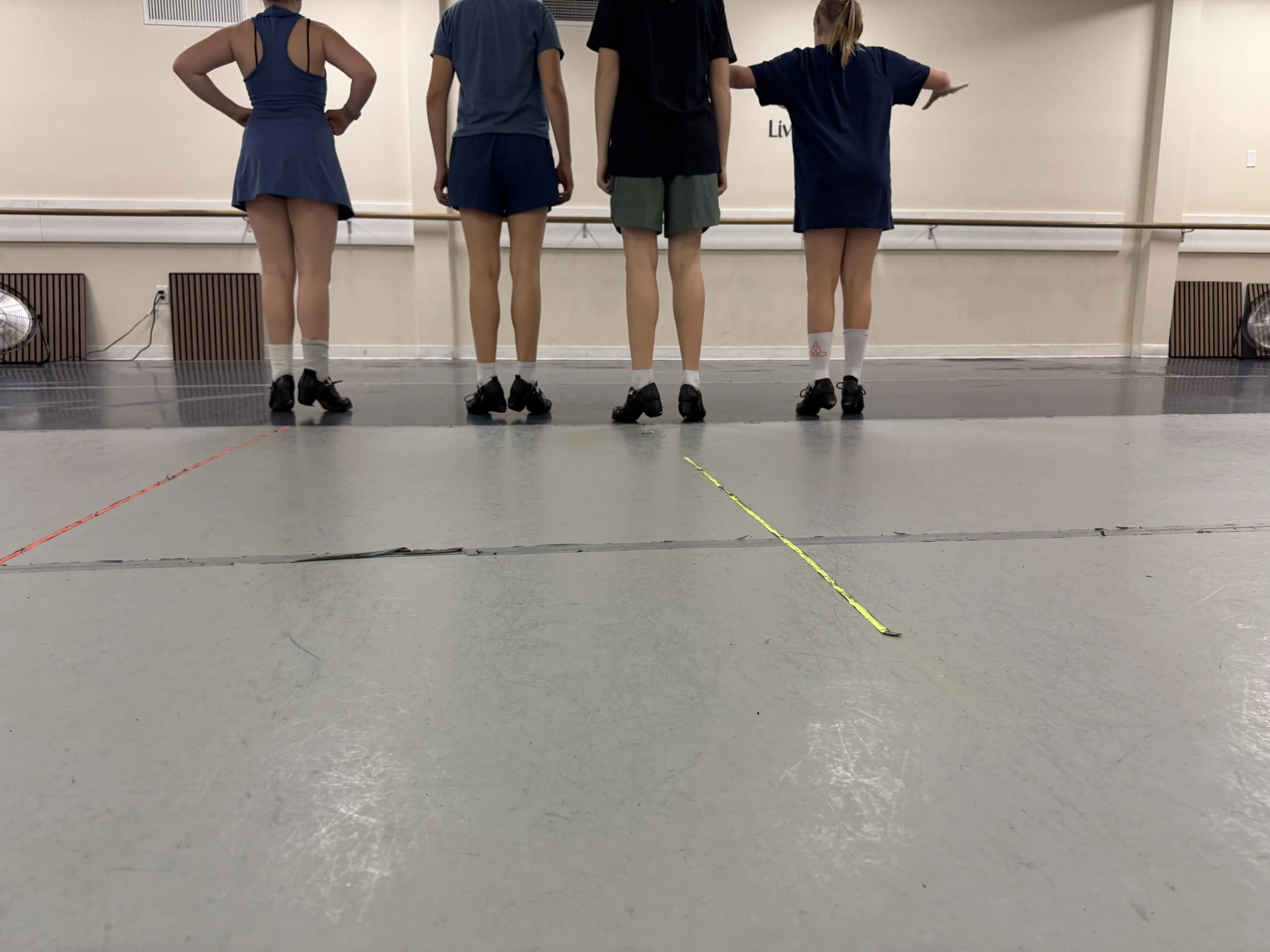
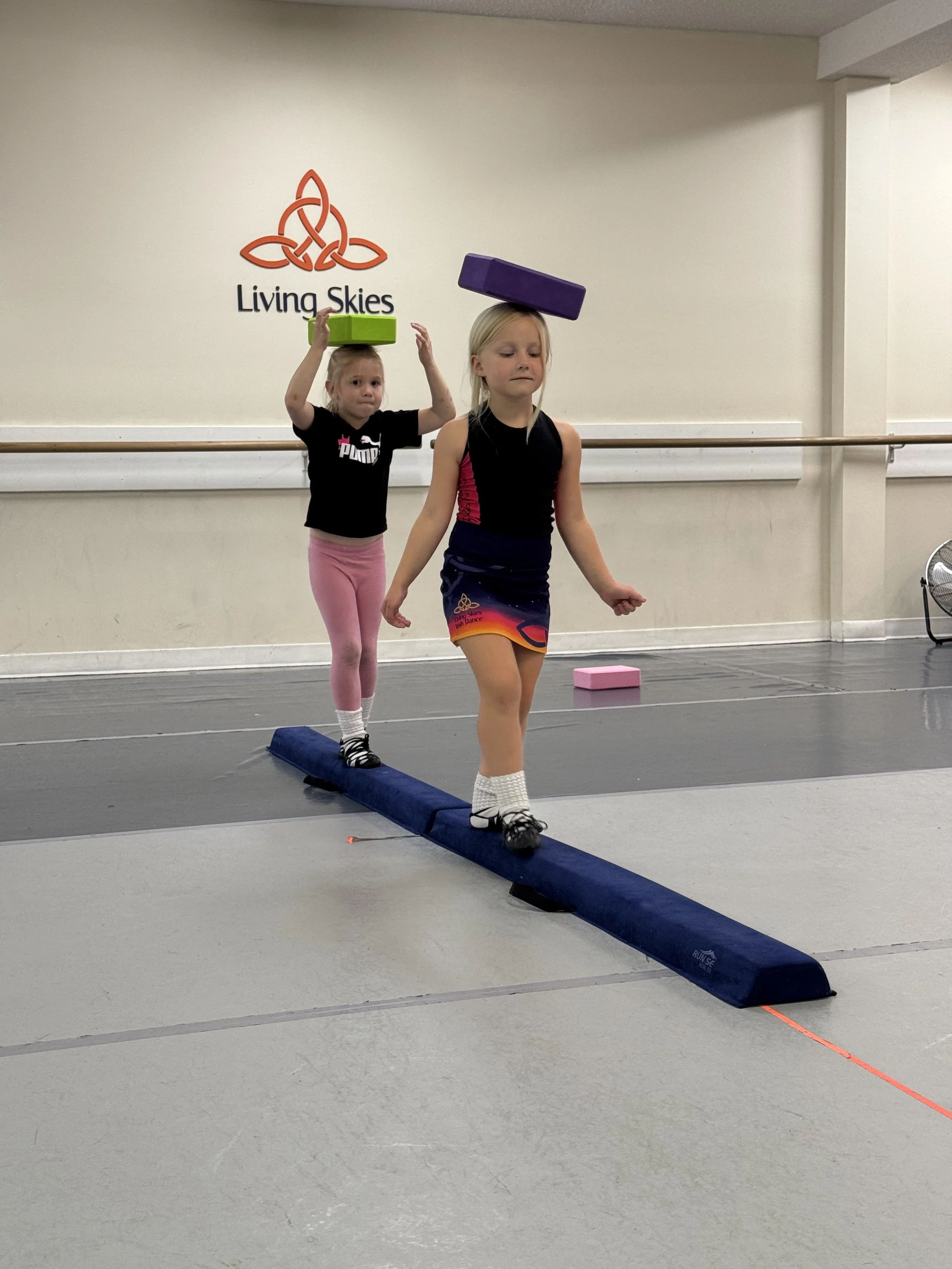
The Little Things Are the Big Things
If you've spent time in one of our classes, you've probably heard the same corrections more than once.
"Point your toes!"
"Cross your feet!"
"Lift your heels!"
"Straighten your knees!"
"Listen to the music!"
Sometimes dancers wonder why we spend so much time focusing on these details instead of simply learning new steps or running our dances from beginning to end. The answer is simple: technique is what transforms a collection of steps into beautiful dancing. Learning choreography tells us what to do. Developing technique teaches us how to do it well. A dancer can know every step in their reel and still have plenty of room to improve the quality of their dancing. That's why we drill. That's why we repeat. That's why we make corrections, even when a dancer already knows their choreography. We're not just preparing for the next performance. We're building skills that will support years of dancing.
Progress Doesn't Always Look Like Progress
One of the trickiest parts of learning any skill is that improvement isn't always immediately visible. You might spend three weeks working on your turnout without noticing a dramatic difference. You might practise a difficult rhythm dozens of times before it finally clicks. You might feel like you're working incredibly hard while your dancing looks much the same as it did last week. But that doesn't mean nothing is happening. Your muscles are developing strength. Your balance is improving. Your coordination is becoming more refined. Your brain is learning to connect movements into increasingly automatic patterns. And then, one day, something that used to require enormous concentration suddenly feels natural. That's not magic. That's the result of all the work you did when you thought nothing was changing. That dancer you admire on stage, she didn’t get there in the last tweeks or even three months, that performance is the result of years of training, drilling, and correcting.
Your Future Performance Starts Today
Imagine you have a competition or performance coming up in three months. It's tempting to think about preparing for that event when it gets closer. But the dancer who steps onto that stage three months from now is being shaped by the choices made in class today. Every time you make a correction, you're investing in that future performance. Every time you practise a challenging movement rather than avoiding it, you're building confidence. Every time you focus during a drill, even when you're tired or distracted, you're developing the discipline that makes strong performances possible. And here's the important part: you can't cram three months of technique development into the week before a performance. Strength takes time. Coordination takes repetition. Consistency takes commitment. The work we put in now is what allows us to shine later.
Practice With Purpose, Not Just Repetition
There's a difference between doing something ten times and practising something ten times with intention. Running your entire dance over and over might help you remember your choreography, but it won't necessarily improve the technique within it. Meaningful practice asks us to slow down and pay attention. If your teacher has asked you to point your toes more clearly, take a few minutes to focus specifically on that skill. If you're struggling with a hard shoe rhythm, break it into smaller sections until you can execute each beat clearly and on time. If your jumps need more height, work on the strength and technique that support those jumps. The goal isn't simply to do more. The goal is to make each repetition count. Five minutes of thoughtful, focused practice can be more valuable than twenty minutes of dancing without paying attention to corrections.
Learning to Love the Process
At Living Skies, we want our dancers to experience the excitement of performing, the pride of mastering a new skill, and the joy of reaching their goals. But we also want them to learn something even more valuable: how to work toward something that takes time. Not every class will bring a breakthrough. Not every correction will be easy. Not every practice session will feel successful. And that's okay. Learning to persevere through those moments develops more than dance technique. It builds patience, resilience, self-discipline, and the confidence that comes from knowing you've earned your progress. These are skills that extend far beyond the dance floor.
When the Spotlight Finally Shines
A month from now, three months from now, or even a year from now, our dancers will step onto stages and competition floors. The audience will see the finished performance. They won't see the drills, the corrections, the wobbly balances, the missed beats, or the moments when a dancer wanted to give up but tried again. But those moments will be there. In every pointed toe. In every clean landing. In every confident smile. In every rhythm that rings out perfectly with the music. Because the spotlight doesn't create a great performance. It reveals the work that has already been done.
So, dancers, keep showing up. Keep listening. Keep making those tiny corrections. Keep practising with purpose. The work you're doing today matters. And we can't wait to see where it takes you.
At Living Skies Irish Dance, we believe in the power of yet — and in the extraordinary things that grow from ordinary moments of hard work.